


VetStarch 6% Hydroxyethyl Starch 130/0.4 in 0.9% Sodium Chloride Injection for Animals - (250 ml) - [Hypovolemia Treatment]
- Description
- Directions
- Reviews
Description
VetStarch (6% hydroxyethyl starch 130/0.4 in 0.9% sodium chloride injection) is indicated for the treatment and prophylaxis of hypovolemia. It is not a substitute for red blood cells or coagulation factors in plasma. Sterile, nonpyrogenic, isotonic solution.
Indications
VetStarch is a plasma volume substitute indicated for the treatment and prophylaxis of hypovolemia.
Directions
VetStarch is administered by intravenous infusion only. The daily dose and rate of infusion depend on the patient’s blood loss, on the maintenance or restoration of hemodynamics and on the hemodilution (dilution effect). VetStarch can be administered repetitively over several days.
The initial 10 to 20 mL should be infused slowly, keeping the patient under close observation due to possible anaphylactoid reactions.
Directions for Use of VetStarch
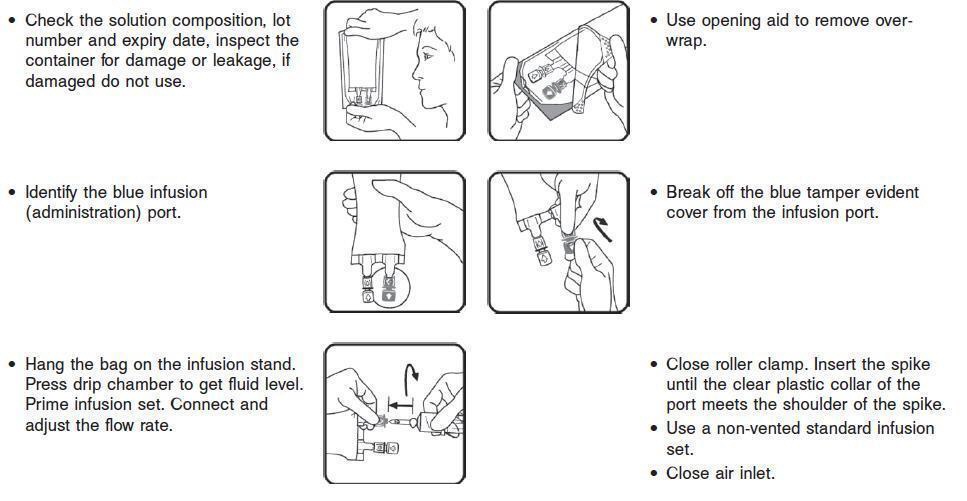
- Do not remove the IV container from its overwrap until immediately before use.
- Parenteral drug products should be inspected visually for particulate matter and discoloration prior to administration, whenever solution and container permit.
- Do not administer unless the solution is clear, free from particles and the IV container is undamaged.
- VetStarch should be used immediately after insertion of the administration set.
- Do not vent.
- If administered by pressure infusion, air should be withdrawn or expelled from the bag through the medication/administration port prior to infusion.
- Discontinue the infusion if an adverse reaction occurs.
- It is recommended that administration sets be changed at least once every 24 hours.
- For single use only. Discard unused portion.
Cautions:
Federal Law (USA) restricts this drug to use by or on the order of a licensed veterinarian.
Contraindications:
- Known hypersensitivity to hydroxyethyl starch
- Fluid overload e.g., pulmonary edema and congestive heart failure
- Renal failure with oliguria or anuria not related to hypovolemia
- Patients receiving dialysis
- Severe hypernatremia or severe hyperchloremia
- Intracranial bleeding
Warnings & Precautions:
- Anaphylactoid and hypersensitivity reactions
- Avoid fluid overload; adjust dosage in patients with cardiac or renal dysfunction
- In severe dehydration, a crystalloid solution should be given first
- Observe caution in patients with severe liver disease or bleeding disorders
- Monitor kidney function, fluid balance and serum electrolytes
- In humans elevated serum amylase values may occur and interfere with the diagnosis of pancreatitis
- High dosages may cause dilution of blood components
Adverse Reactions:
Anaphylactoid/hypersensitivity reactions can occur. Most common adverse reactions ar pruritus, hemodilution (resulting in dilution of blood components, e.g., coagulation factors and other plasma proteins, and in a decrease in hematocrit).
To report SUSPECTED ADVERSE REACTIONS, call Zoetis Inc. at 1-888-963-8471.
Drug Interactions:
No interactions with other drugs or nutritional products are known.
The safety and compatibility of additives have not been established.
Storage:
Store at 15° to 25°C (59° to 77°F), Do not freeze
