


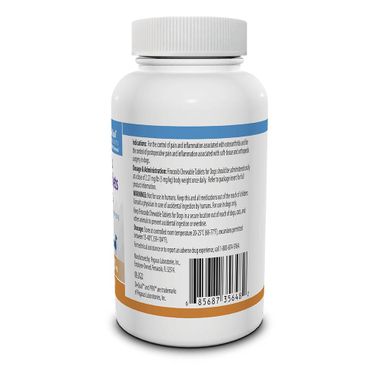

Firocoxib is a medication used to relieve pain and inflammation in dogs. It is a nonsteroidal anti-inflammatory drug (NSAID), specifically a selective COX-2 inhibitor.

Firocoxib Chewable Tablet for Dogs, 57-mg, 60-count - [Pain & Inflammation Relief]
Item# 30035648
FREE SHIPPING Over $79! * Pet Food & Other Exclusions
- Notice
- Description
- Ingredients
- Directions
- FAQ
- Reviews
Notices
Special Offer: Get 20% off your first Subscribe & Save Shipment! Automatic 15% off plus 5% savings on future shipments.
Description
Equioxx is specifically indicated for the control of pain and inflammation associated with osteoarthritis in both horses and dogs. This targeted Non-Steroidal Anti-Inflammatory Drug (NSAID) helps to effectively alleviate key signs of discomfort and lameness, leading to improved mobility and a better quality of life for animals suffering from this degenerative joint condition.
For Horses:
- Specifically for the management of osteoarthritis pain and inflammation.
- Helps reduce lameness and improve joint function.
- Supports increased mobility in horses with degenerative joint disease.
Download Equioxx Drug Facts Sheet for Horses (PDF)
For Dogs:
- Indicated for the control of osteoarthritis pain and inflammation.
- Helps improve mobility and reduce discomfort associated with canine arthritis.
- Supports a more active and comfortable lifestyle for dogs with joint pain.
Ingredients
Active Ingredient:
The active ingredient in Equioxx is firocoxib.
Directions
Dosage and Administration:
For Dogs:
- Dosage: Administer exactly as prescribed by your veterinarian, typically once daily.
- Administration: Tablets can be given orally with or without food, depending on your dog’s preference and tolerance.
- Water: Ensure your dog has access to clean, fresh water at all times.
- Monitoring: Regular veterinary check-ups are recommended to monitor kidney, liver, and gastrointestinal health during treatment.
For Horses:
- Dosage: Administer once daily according to your veterinarian’s instructions.
- Administration: Tablets can be given directly by mouth or mixed with a small portion of feed for easier administration.
- Duration: Do not exceed the recommended duration of use unless under veterinary supervision.
- Monitoring: Regular monitoring by your veterinarian is recommended to assess your horse’s response and overall health, particularly kidney and GI function.
Warnings:
For both Dogs and Horses: Not for use in humans. Keep this and all medications out of the reach of children. Consult a physician in case of accidental ingestion by humans.
For Dogs: Keep Firocoxib Chewable Tablets for Dogs in a secure location out of reach of dogs, cats, and other animals to prevent accidental ingestion or overdose.
Precautions:
For Horses:
A thorough history and physical examination should be performed before starting NSAID therapy. Appropriate laboratory tests should be conducted to establish baseline data and monitored periodically. Observe for signs of potential drug toxicity and provide the Client Information Sheet to the person treating the horse. Treatment should be terminated if signs such as inappetence, colic, abnormal feces, or lethargy are observed.
As a class, cyclooxygenase inhibitory NSAIDs may be associated with gastrointestinal, renal, and hepatic toxicity. Use with caution in dehydrated horses, those on diuretic therapy, or those with existing renal, cardiovascular, and/or hepatic dysfunction. Avoid concurrent administration of potentially nephrotoxic drugs or other anti-inflammatory drugs (NSAIDs or corticosteroids). Monitor drug compatibility in patients requiring adjunctive therapy.
The safe use in horses less than one year old, breeding horses, or pregnant/lactating mares has not been evaluated. Consider appropriate washout times when switching NSAIDs or corticosteroids.
Storage:
Store Equioxx below 86°F (30°C). Brief excursions up to 104°F (40°C) are permitted. Keep away from moisture and heat.
Active Ingredient:
The active ingredient in Equioxx is firocoxib.
Possible Side Effects (General - Consult Package Insert for Specific Details):
For Dogs:
Common side effects may include digestive upset (vomiting, diarrhea), changes in appetite, or lethargy. Contact your veterinarian if these persist or worsen.
For Horses:
Common side effects may include changes in appetite, lethargy, colic, or abnormal feces. Contact your veterinarian if these persist or worsen.
FAQ
Firocoxib is commonly prescribed for the management of pain and inflammation associated with osteoarthritis in dogs. It can also be used to provide pain relief after surgical procedures.
Firocoxib works by selectively inhibiting the COX-2 enzyme, which reduces the production of prostaglandins. Prostaglandins are responsible for causing pain, fever, and inflammation in the body.
Firocoxib can be safe for dogs when used under the guidance and prescription of a veterinarian. However, it can have side effects such as vomiting, diarrhea, and loss of appetite. It is important to follow the dosage and administration instructions given by the vet.
Firocoxib is not approved for use in cats and should not be given to them. There are other medication options for cats that your veterinarian can recommend.
The onset of action for Firocoxib is typically within a few hours to a few days, depending on the severity of the condition being treated. However, the full effects may not be seen for several weeks of consistent use.
Reviews
Review Summary
5.0
2 Reviews
5
100% (2)
4
0% (0)
3
0% (0)
2
0% (0)
1
0% (0)
100% Recommend this product (2 of 2 responses)
By Sjoneszzzy
Florida
Great product & service
April 3, 2024
Firocoxib is a lifesaver for my dog & helps her to function and enjoy life to the fullest. Working with entirely pets saved me money & was fast and efficiant!!
By Dawn
Wisconsin
Excellent customer service
September 22, 2023
Pharmacist was very understanding and helpful!
